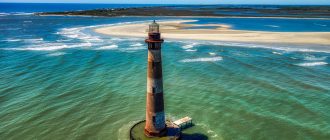
Best Sightseeing in Florida
If you’re looking for the best sights in Florida, read on. You’ll learn about Key Largo, Three Sister Springs, Everglades National Park, and St. Augustine. And don’t forget about the theme parks! If you’re a Disney fan, don’t miss visiting Walt Disney World! These are just a few of the highlights that you should not miss when you visit Florida. Now that you know what to expect, plan your trip to Florida!
Three Sister Springs
If you’re looking for a unique attraction in Florida, you’ve probably heard about Three Sisters Springs, which is located on Crystal River, in Citrus County. This natural inlet is located on the east side of Kings Bay. Visitors can visit three spring areas here, and see the numerous sand vents and boils that form around the waters. These waters have the ability to relax, soothe, and rejuvenate a tired body.
For those who are interested in exploring the rushing waters, you can visit the Three Sisters Spring Visitor Center. Admission to the Three Sisters Spring Visitor Center is included in your admission. A wheelchair-accessible boardwalk is available for those who need a bit of extra assistance. To get to Three Sisters Spring, you’ll need to walk a little less than a mile, though it might take about fifteen minutes. Since the spring is in a conservation area, you can’t bring pets with you, though you can bring your own. The spring is also handicap accessible, so you can get your fill of nature on a Florida trip.
During the cold winter months, you’ll find manatees in the springs and along the shores. You can’t touch or feed the animals, but you can still enjoy their presence while admiring the wildlife from a safe distance. You can even visit the sanctuary’s manatee habitat if the water temperature drops below 68°F. The spring is home to dozens of manatees year-round, but the sanctuary is closed for the time being due to COVID-19 concerns.
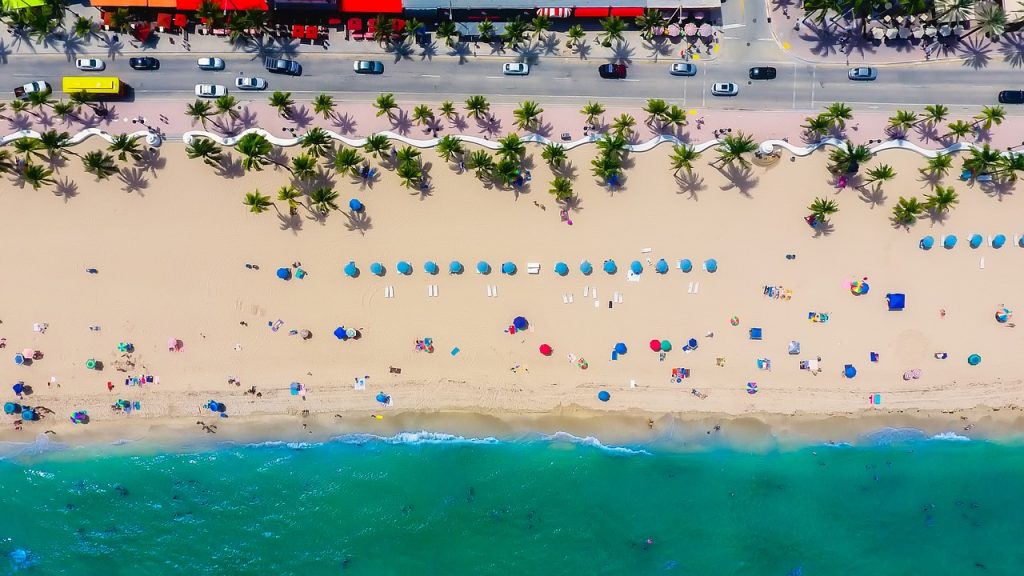
Everglades National Park
Located in South Florida’s Everglades National Park, this natural wonder is a bird lover’s paradise. You’ll find over 360 species of birds, including crocodiles and alligators, here. Even if you don’t see one, you can still enjoy epic stargazing under the night sky. The best way to see them both is to ride a guided airboat tour.
If you’re traveling on a budget, you can always rent kayaks at the park’s Gulf Coast Visitor Center. However, the main visitor center was destroyed by the hurricane of 2017, so there’s a temporary visitor contact station there in the meantime. You can also take a boat tour in the park with Everglades City Boat Adventures, the only company authorized to operate in the park. The 10,000 Islands tour and the mangrove tour are coming soon.
The most popular part of the park is the Shark Valley Visitor Center. From the visitor center, you’ll be taken on a two-hour tour along a 15-mile paved path to an overlook of the park. Your guide will point out the most impressive features as you go along, and you’ll be able to take in the beauty of this incredible place. The park’s surrounding waters make it one of the best sightseeing spots in Florida.
There are five districts in Everglades. The Homestead entrance is on the south side of Miami and is located near the Ernest F. Coe visitor center. The Shark Valley entrance is west of Miami along the Tamiami Trail, and the Everglades City entrance is on the Gulf Coast. There are several campgrounds nearby. Several hikes and canoe trails make for a great day out.
Key Largo
There are many reasons why you should go on a Key Largo, Florida vacation. The town is home to a diverse range of marine life, beautiful beaches, and mangroves. Take a scenic road trip to see the Seven-Mile Bridge, a stretch of the Overseas Highway connecting Knight’s Key in the Middle Keys and Little Duck Key in the Lower. The seven-mile bridge is an hour-long drive from Key Largo and offers incredible views.
Sunset Grill is another must-do during your Key Largo vacation. This iconic eatery is the oldest bar in the Upper Keys. The Caribbean Club is so old, that it was the inspiration for the 1947 film Key Largo. Various exterior shots were shot here. You can eat at either location. It’s open every day of the week, so plan ahead. Also, try the lobster roll – it’s one of the best things to do in Key Largo.
While visiting Key Largo, don’t forget to spend some time at Rain Barrel Artisans Village. The village is home to the famous 40-foot-long lobster Betsy. You can also shop for souvenirs or local foods. You’ll also find great souvenirs here, like local shells, which make for a great Instagram opportunity. If you like art and artisanal crafts, then you won’t want to miss out on Rain Barrel Artisans Village.
St. Augustine
If you’ve ever wondered what history is all about, you might be interested in St. Augustine, a city in northeast Florida that claims to be the oldest city in the U.S. Known for its Spanish colonial architecture, St. Augustine has much to offer visitors. The city’s beaches, such as Crescent Beach, are tranquil and sandy. The nearby Anastasia State Park is a protected wildlife preserve. For history buffs, a 17th-century Spanish stone fortress can be explored. Its views overlook the St. Augustine Inlet.
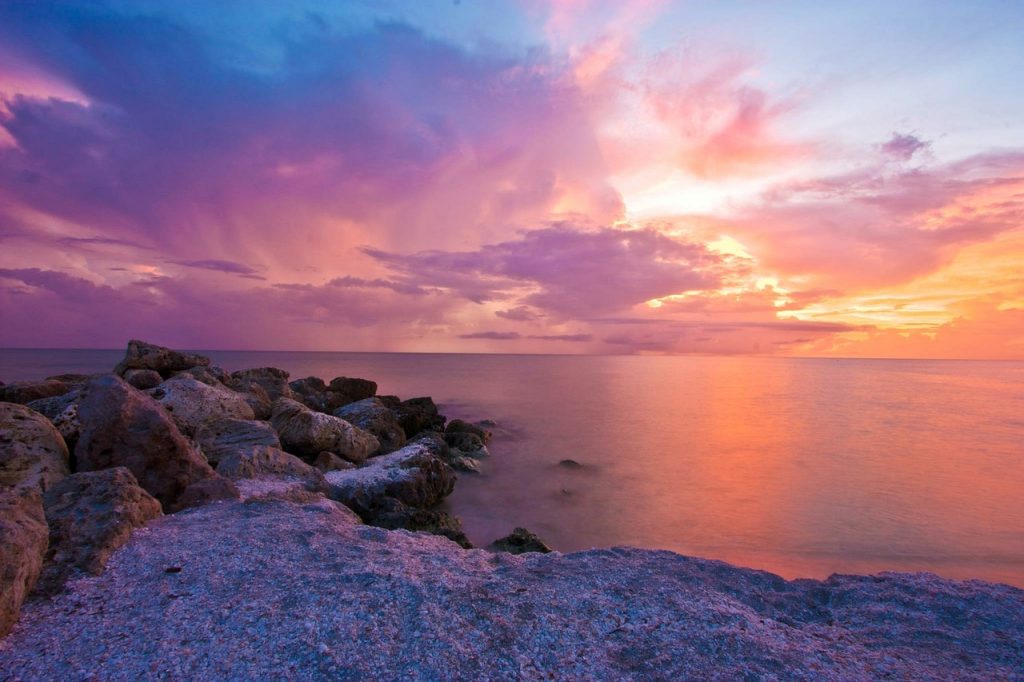
For history buffs, the city is home to Castillo de San Marcos, one of the oldest masonry structures in the continental U.S. The fort was built by the Spanish and was besieged twice by the British. However, despite the constant attack, it was never destroyed by force. Visitors can tour the fort’s interior courtyard and gun deck, as well as see the city’s beautiful coastline.
If you’re planning a vacation in St. Augustine, make sure to take the time to see everything the city has to offer. While you’re in town, you might want to consider taking a ride on the Ripley’s Red Trains. It’s the original site seeing tour and will take you through 20 stops on the way. However, because of global health and safety concerns, some businesses will be closed, so it’s important to check ahead.
Fort Lauderdale
When in Florida, you shouldn’t miss visiting the museum of discovery and science. The city is home to one of the largest museums in the state, which also features changing exhibits. If you’re in town for a weekend, you can check out the museum on the same block as Esplanade Park. Here, you can view exhibits about the Everglades, and even try air boating! Visiting this museum will be a full day’s worth of family fun.
The NSU Art Museum is another excellent place to visit. Located in the Fort Lauderdale Art Center, the NSU Art Museum is devoted to 20th-century and contemporary art. The museum has multiple exhibition floors, a sculpture terrace, and a collection of over 6,000 works of art. Its collection reflects the diverse culture of South Florida. You can also see art from Cuba during your visit. And if you’re visiting Florida on vacation, don’t miss the Birch House Museum and Gardens.
There are plenty of outdoor activities in Fort Lauderdale. There are numerous beaches and the Everglades. Visiting these places is a great way to experience the area. Gator Tim, a local tour guide, offers airboat rides through the Everglades. You may even be able to encounter alligators. This is an experience that you won’t forget! Make sure you plan your visit to Fort Lauderdale in advance so that you can enjoy the city’s best attractions at their prime!
Jacksonville
In Jacksonville, you can enjoy an afternoon of shopping and dining. This city is known for having many artisan cafes and funky shops. Riverside and Avondale are two neighborhoods that are often considered one big neighborhood. Both neighborhoods offer grand architecture and sprawl along the riverfront. You’ll find both old plantation homes and million-dollar mansions here. Also, check out the Museum of Contemporary Art and Jacksonville’s thriving Five Points area.
To view the city skyline, you should take a walk on the St. Johns River Bridge. The bridge is an attraction in and of itself. You’ll find bikers and joggers on this beautiful walkway. You’ll also find some great aerial photo opportunities here. And while you’re on foot, you can visit the Museum of Science and History, which is the city’s most popular museum.
Another fun place to visit in Jacksonville is the historic Mandarin neighborhood. Harriet Beecher Stowe spent time in Mandarin, which was also home to the early Native American population in Florida. The Mandarin Museum, which is built in the style of a turn-of-the-century home, preserves the history of the neighborhood and hosts events in the community. Jacksonville has a lot to offer tourists and locals alike. This destination is sure to impress.
Things to Do in Florida
If you are a Lego lover, there are many things to do in Florida. Legoland is the second-largest theme park in the world, covering 145 acres and offering over 50 rides. Visitors can also take tours, build their own creations, or visit a botanical garden. There are even themed hotel rooms! You can even stay in a LEGO-themed hotel! If you want to experience a theme park without the crowds, consider visiting Legoland.
Fort Pickens
If you’re looking for a unique and historic place to visit, then consider Fort Pickens in Florida. This historic site is located on Santa Rosa Island in the Gulf Islands National Seashore. Approximately 80 percent of the fort is underwater, making it a unique attraction that attracts thousands of visitors each year. Visitors will love its soft white sands and abundant shells and birds. Here are some things to know about Fort Pickens.
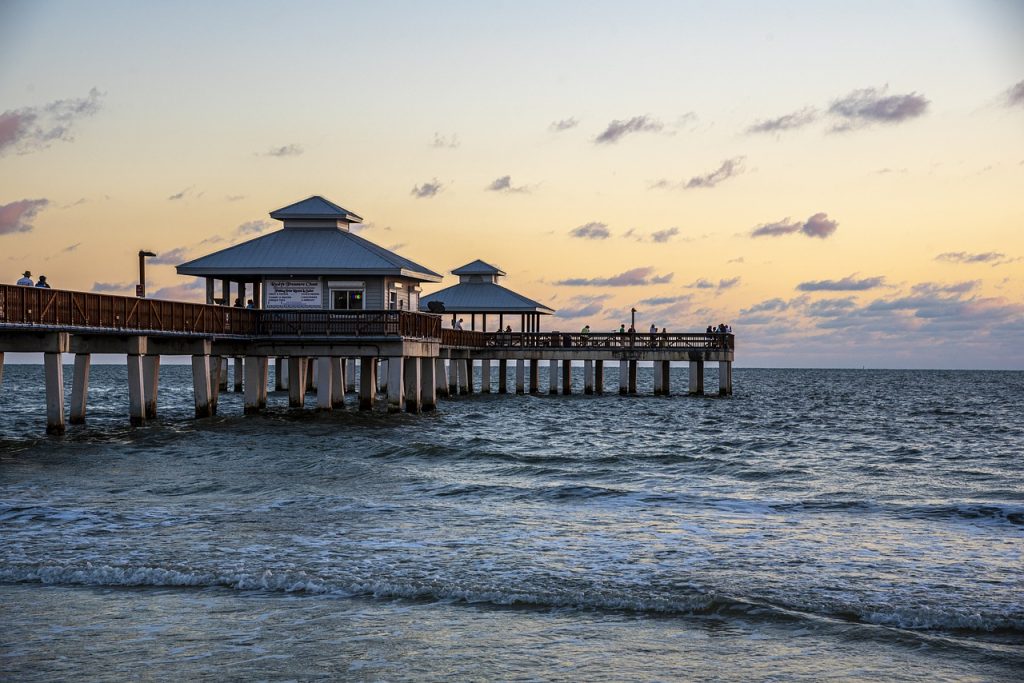
The water quality in Fort Pickens is ideal for recreational and commercial fishing, with plenty of fish species including grouper, jack mackerel, and more. The Gulf Islands National Seashore and the Northwest Florida Aquatic Preserves maintain water quality monitoring stations in the area. They keep track of water quality to ensure that the area is safe for visitors. You should plan your visit in advance so you don’t miss the wildlife.
After the War of 1812, the United States began to fortify its major ports, including Fort Pickens. The French engineer Simon Bernard designed the fort, and construction took place between 1829 and 1834. It was constructed with two million bricks, mostly from local bricks. Black slaves were used as laborers and builders, and Colonel William H. Chase of the U.S. Army Corps of Engineers supervised the project. Although Chase had sided with the Confederates during the American Civil War, he was appointed to lead Florida troops.
Everglades National Park
A trip to the Everglades National Park will provide visitors with the opportunity to see some of the country’s most unique wildlife and landscapes. Located on 1.5 million acres, the park contains a diverse ecosystem, ranging from moss-covered cypress domes to limestone Rocklands with towering slash pine. The mighty alligator can be found roaming the water, so be sure to bring your camera.
Taking an airboat ride is a fun way to explore the wetlands. Airboats use a fan in the back to propel them forward. These tours are perfect for novices or those who aren’t familiar with watercraft. You’ll be transported through the mangrove tunnels and get up close to wildlife. If you’re unsure of whether you’re comfortable in the water, you can take a swamp buggy tour.
Everglades National Park is a place where nature and culture meet. It is part wetland, part swamp, and part lake. This wetlands ecosystem is home to many rare and endangered species. People have lived in this swampy region for over 15,000 years. The swampland was inhabited by Native American tribes, including the Seminoles, and fugitives. After the First Seminole War, exploration, construction, and maintenance started.
Visiting the park requires planning. There are three entrances in the Gulf Coast, the Royal Palm area, and the Everglades region. There are four visitor centers throughout the park, which provide information brochures and displays. Visitor centers may have limited amenities, so it’s best to plan your trip around this. This will help you avoid driving around the park and focus on one part.
Walt Disney World
One of the best things to do while visiting Walt Disney World is to visit Disney Springs, formerly known as Downtown Disneyland. This entertainment, shopping, and dining district are full of fun activities for everyone, from younger children to parents. At the LEGO Store, guests can build Legos, go bowling at Splitsville, or ride the Marketplace Carousel. There are also many live entertainment options, including a hot air balloon ride.
The Disney World resort is a huge theme park that covers 40 square miles and is much larger than any other theme park in the U.S. Disney employs nearly 70,000 people, making it the largest single employer in the country. There are five golf courses on the resort grounds, two full-service spas, and more. The Disney Resort also includes two entertainment-shopping complexes, including Disney Springs.
Whether you’re looking for a relaxing atmosphere or a thrilling ride, Walt Disney’s Water Parks are sure to please. You’ll find everything from side-by-side racing slides to relaxing floats. Plus, there are hundreds of Disney-themed venues and the largest Disney merchandise collection in the world. You’ll be hard-pressed to get bored in Orlando. Things to do in Florida include Walt Disney World and Disney’s surrounding Orlando.
Sanibel Island
While you’re on Sanibel, you may not have a clue where to start. You might want to start your vacation at the Sanibel Historical Museum, which is centrally located on the island. Here you can view items from Sanibel’s history, including nine historic buildings from the late 1880s to the early 1920s. You’ll find interesting artifacts inside the buildings, as well as information panels and a fully restored 1927 Model T truck.
Biking is a fun way to explore the island, which is spread out depending on your hotel. There are paved bike paths throughout the island, and bike rental companies deliver bikes to hotels. You can even rent tandem bikes if you’re traveling with young children. Alternatively, you can participate in a treasure hunt with a treasure map printed at the Sanibel Chamber of Commerce. These treasure hunts are a great way to engage your kids in the local economy.
If you’re into bird watching, Sanibel Island’s J.N. “Ding” Darling National Wildlife Refuge is a must-see. This nature preserve contains more than 200 species of birds, including pelicans, spoonbills, and cardinals. The preserve’s untouched nature is reminiscent of old Florida. Birdwatchers can enjoy this unique ecosystem by walking along the island’s paved path or riding their bikes.
Weeki Wachee springs
The 115 million gallons of water that the Weeki Wachee Springs in Florida pump out every day are enough to keep mermaids in the waters for five miles. The springs were first discovered by the Seminole Indians and opened for tourists in 1947. This place is a natural treasure and is perfect for swimming and for families with young children. There are several smaller springs that contribute to the river’s flow.
The waters of the springs are so clean and clear that it’s often possible to see mermaids in the water. Visitors to Weeki Wachee Springs State Park are treated to a show starring live mermaids. You can also tour the underwater theater or watch animal shows. There is also a boating center and rentals for canoes. The only thing you shouldn’t do while you’re there is trying to fish.
The mermaids at the Weeki Wachee Springs in Florida have become community icons. The community has a “Tail Mail” program in which young students can write to a mermaid. The mermaids also have their own “Mermaid Roster,” which contains information about each performer. Some of them are dreaming of becoming Supreme Court judges or scuba instructors!
Old Florida charm
Visit the quaint old town of St. Augustine for its old-world charm. Here, you can enjoy ghost tours and local eateries while enjoying delicious meals. The town is also a favorite among Floridians, who will find it hard to resist. In addition to visiting the town’s charming architecture, St. Augustine is home to numerous natural swimming holes. Here, you can taste the authentic Florida fare, while taking in the scenery at nearby parks.
Visit Olde Englewood Village, located on the Gulf Coast. The quaint town of Englewood is a throwback to Main Streets from yore. Along West Dearborn Street, you can pick up art pieces and antiques. Or, you can buy gifts for family and friends from Florida artists. While you’re here, don’t forget to take a look at the historic homes.
When you’re in Gainesville, don’t miss the opportunity to visit Micanopy, a quaint town with just 614 residents. It’s full of live oak trees, antique stores, and cozy cafes. It’s easy to walk about 15 minutes to get to this town. It’s a great escape from the bustling city life. It’s also home to a world-class university, which makes it the perfect place for a relaxing getaway.
Top 5 Places to Visit in Florida
If you want to experience high-speed thrills and extreme excitement, Florida is the place to be. Theme parks are packed with attractions and roller coasters. The most popular Florida theme parks include Disney World, Universal Orlando Resort, and the Island of Adventure, home to the Wizarding World of Harry Potter. Other famous Florida theme parks include Epcot Center, Busch Gardens, and Universal Studios. Listed below are some of the best places to visit in Florida.
Sanibel Island
If you’re looking for an island experience, Sanibel Island is a natural paradise located just steps from Fort Myers, Florida. The island retains its small-town charm, with wide beaches, laid-back hospitality, and the best shelling in the world. Besides the beautiful beaches, Sanibel Island is also home to numerous shops and restaurants. There are so many things to do in Sanibel that you’re sure to find something to your liking.
While on Sanibel Island, shell collectors will enjoy the Bailey-Matthews National Shell Museum, which houses some of the largest shells in the world. Shells on display at the museum range in color, shape, and size. It’s also worth checking out the museum’s live tank, which includes shellfish and other animals that inhabit the island. The museum’s interactive exhibits make learning fun for kids, and the naturalists there will explain how each shell is made.
If you’re looking for places to stay on Sanibel Island, consider renting a vacation rental. While many of the Sanibel Island vacation rentals are situated on the beach, others are farther afield. Staying in an East End condo or house will give you the best sunset view and the best views of the island’s sunrise. There are many other places to visit on Sanibel Island, so take the time to plan your trip ahead of time.
History buffs will enjoy the Sanibel Historical Museum and Village. It features nine historic buildings dating from the late 1880s to the early 1920s. These buildings are filled with interesting artifacts, and a fully restored 1927 Model T truck. A day at the museum also means a good chance to see a live Giant Pacific Octopus. You’ll leave the museum feeling refreshed and rejuvenated.
Everglades National Park
The Everglades National Park is a 1.5 million acre wetlands preserve located on the southern tip of Florida. It is described as resembling a grassy, slow-moving river and consists of sawgrass marshes, pine Flatwoods, and coastal mangroves. Hundreds of different animal species live in the Everglades, including the endangered leatherback turtle and West Indian manatee.
The main visitor center, the Ernest F. Coe Visitor Center, offers informational displays and films. Its gift shop sells postcards, books, and other unusual souvenirs. A free airboat tour is included in the Go Miami Card. The park is open daily from 8 am to 5 pm. While visiting the park, be sure to bring your camera to capture memories of your trip.
While driving through the park, keep in mind that it doesn’t look like much. But up close, it is truly magical. While it doesn’t look much from your car window, you’ll be amazed by its flora and fauna. There are three entrances into the park, including a park visitor guide written by a South Florida resident with four decades of experience.
The southern entrance is off S.R. 9336, near Homestead and Florida City. After you’ve entered the park, you can take a boat to Biscayne Bay. The water is as clear here as anywhere else in the country. Luckily, most tours leave from the Dante Fascell Visitors Center in Florida City. If you’re looking for more information, you can also find information about the park’s other facilities.
The park has two distinct seasons: high and low. The high season lasts from late November to May. Winters here are mild, sunny, and breezy. During the low season, low water levels bring wading birds and predators to the area. The wildlife follows the receding water. The bugs that float on the water aren’t settable, but you will be rewarded for your patience.
Epcot
If you’re looking for something to do with the family this summer, a trip to Epcot might be in order. This theme park, also known as Epcot, is located at the Walt Disney World Resort in Bay Lake, Florida. The Walt Disney Company owns the park and operates it through its Parks, Experiences, and Products division. If you have never visited, now is the time to make the trip!
To experience the holiday spirit in all its glory, head to Epcot during its International Festival of the Holidays. Throughout the World Showcase pavilions, you’ll find storytellers who describe holiday traditions. During the candlelight procession, you can join in the festivities with a celebrity guest narration. The interactive festival of the holidays also features live DJ dance areas. In 1983, the Epcot Center produced an official album showcasing all the festivities, which was released on LP and an audio cassette. The album is no longer produced, but you can still buy the songs and listen to them throughout the rest of the year.
For those with a sweet tooth, the Rose & Crown Dining Room is a wonderful place to grab a bite. With time-honored favorites like bangers and mash and sticky toffee pudding, you’ll also find more exotic cuisines in the World Showcase. At the World Showcase, you’ll find nearly 60 restaurants, from sushi to Japanese to the Mediterranean. No matter your taste, you’ll be sure to find a place that has something for everyone.
American Adventure was originally slated for its own theme park in Washington D.C. but was later relocated to Epcot. The park features a replica of Independence Hall. It is also a highlight of the World Showcase, with 35 Audio-Animatronics figures and a 72-foot digital rear-projection screen. You’ll be moved by the patriotic songs that are played.
Everglades Cloisters
The Spanish cloisters were built in Spain between 1133 and 1141 AD as part of a Cistercian monastery. They had been used for 700 years but were seized during the First Carlist War. The cloisters were subsequently turned into a granary. When the United States purchased Florida in 1819 for five million dollars, they arrived in Miami.
Another interesting place to visit in Florida is the Shark Valley, the northern entrance to the Everglades national park. Shark Valley has a visitor center with exhibits and tours. A 65-foot observation tower offers spectacular views of the park. You can rent bikes and take a scenic two-hour bike ride to enjoy the scenery. Another great place to visit is the Museum of the Everglades, located in Everglades City. This former commercial laundromat was converted into a museum in 1927.

Another place to visit in Florida is the Everglades National Park, a 1.5 million-acre park located in South Florida. This park offers a number of campgrounds, picnic areas, and guided boat tours. The Gulf Coast Visitor Center offers an experience of the park’s western saltwater getaway. There are also tours through the Ten Thousand Islands and coastal mangroves. You can also take a tram ride through Shark Valley, which includes a 65-foot tower.
Another interesting place to visit in Florida is the Pirate Museum, which was founded by Pat Croce. The museum features 48 exhibits, including the famous Blackbeard blunderbuss and original gold pieces from Blackbeard’s ship. Visitors can also experience life as a buccaneer at the Pirate Museum of Florida. The museum also features an interactive treasure hunt. If you’re a fan of the history of pirates, then this museum is for you!
Naples
The Gulf of Mexico is the focal point of Naples, a city in southwest Florida. Naples is famous for high-end shopping, golf courses, and the historic Naples Pier, built in 1888. This fishing haven has miles of beautiful beaches flanked by crystal clear waters and fine white “sugar” sand. Visitors to Naples can also explore Delnor-Wiggins Pass State Park. The surrounding area is also home to several national parks.
If shopping is your thing, Naples offers a variety of boutiques and unique shops. There is Chesterdales home decor, Marissa Collections jewelry, and Norman Love Confections for the sweet tooth. If you’d rather go to a mall, you can find plenty of options in Coastland Center. While visiting Naples, be sure to take your camera along if you’re interested in seeing local artists and artisans.
While visiting Naples, make time for some fun family activities. Kids can spend a day at the Golisano Children’s Museum. The museum features 18 exhibits, including a Dinosaur Train, Mother Nature’s House, and World Cafe. There’s even a small water play area for kids to cool off. And for adults, there are many activities to do and see in the area.
Fifth Avenue South, located at the end of Third Street South, is one of the prettiest districts in Old Naples. Although it’s expensive, it’s well worth the trip. This street extends from Tamiami Trail to the Gulf of Mexico and is a window-shopper’s dream. Aside from shopping, you can also indulge in many types of cuisine, including coffee shops, seafood restaurants, and even homemade ice cream parlors.